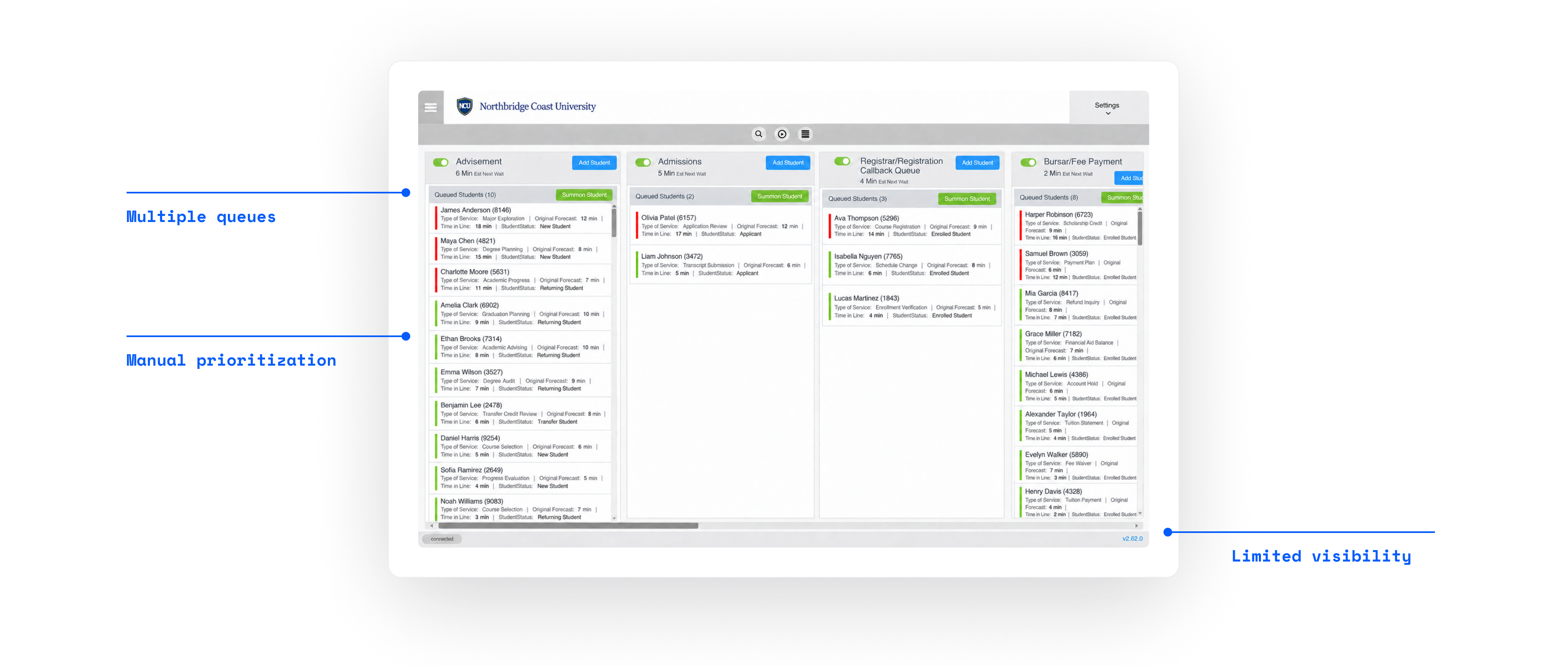
Before
Multiple queues + Multiple possible choices → Employee decides
QLess / Pegasus
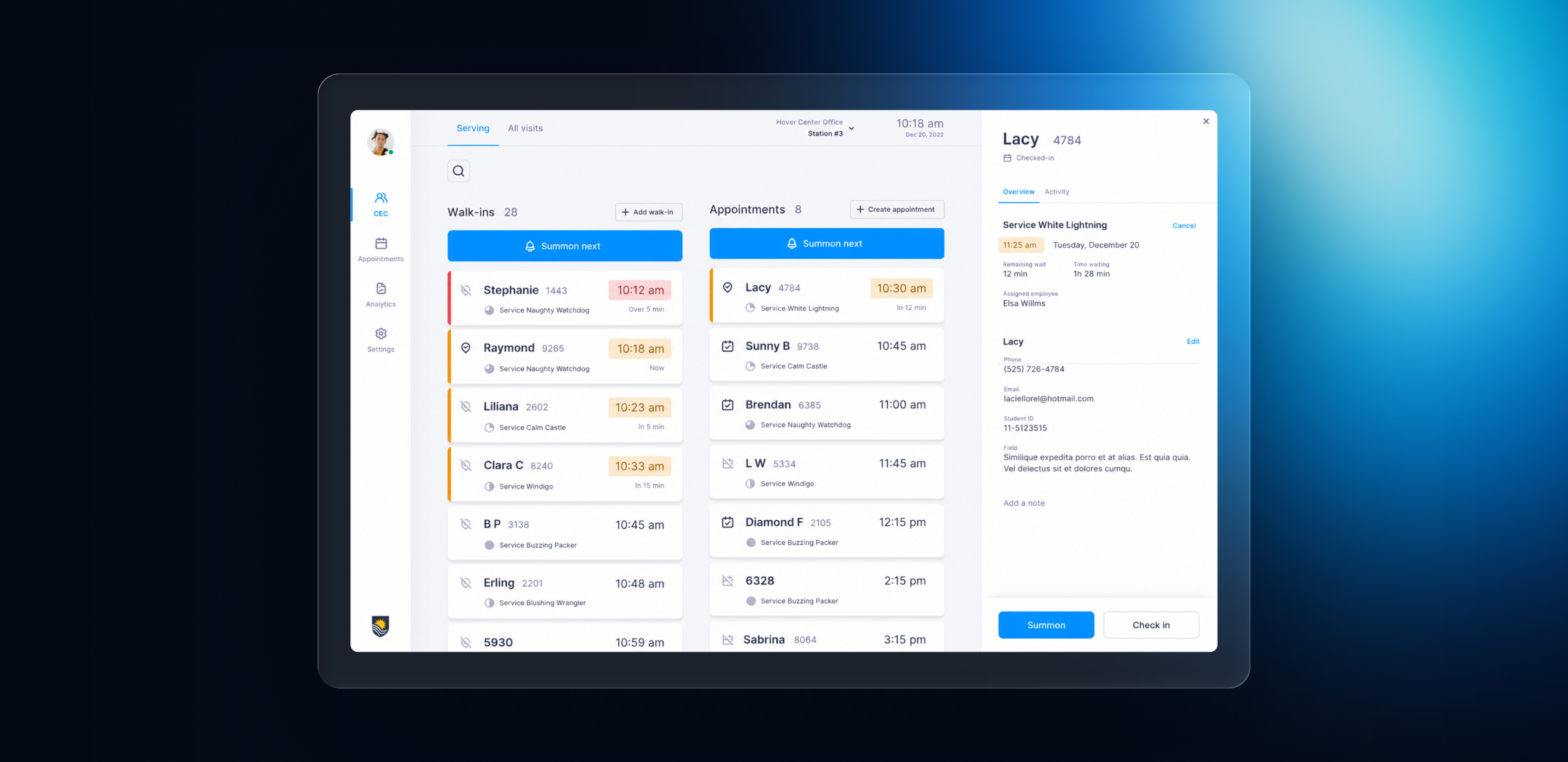
Redesigning the platform’s MVP for staff managing queues, appointments, and in-person service.
The Product
600+
Client organizations
This platform helps organizations manage in-person services through virtual queues, appointments, and staff routing.
After a decade of growth, design debt and outdated technology had turned diverse operational requirements into inefficient workflows —making a major overhaul necessary.
The Challenge
With no previously established UX processes, I started by reviewing what QLess already knew about platform usage and user feedback and I used that foundation to shape the redesign alongside the VP of Product and product managers.
Rather than tackle every industry-specific workflow at once, I proposed starting with a core flow shared across industries, refining it first, then expanding to more specialized use cases.
The Friction
Supervisors wanted to reduce the time between visitors, while employees struggled to manage multiple queues. These needs converged on one recurring moment in the core flow: calling the next visitor.
The Insight
If the product already knows who should be called next, why ask employees to make that decision?
The opportunity wasn’t to give employees better tools to decide. It was to let the product make the best decision by default.
The Strategic Decision
Before
Multiple queues + Multiple possible choices → Employee decides
After
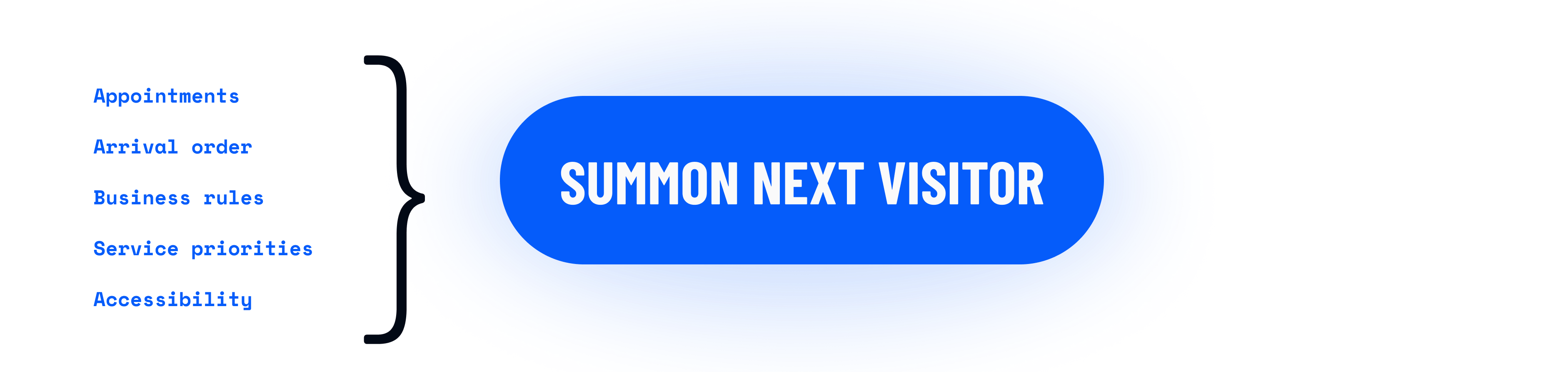
Multiple queues + rules + priorities → "THE PRODUCT RECOMMENDS"
From Decision to Workflow
The product evaluates the queues and surfaces the best next visitor based on priority rules.
The employee can follow the recommendation—or choose differently when context requires it.
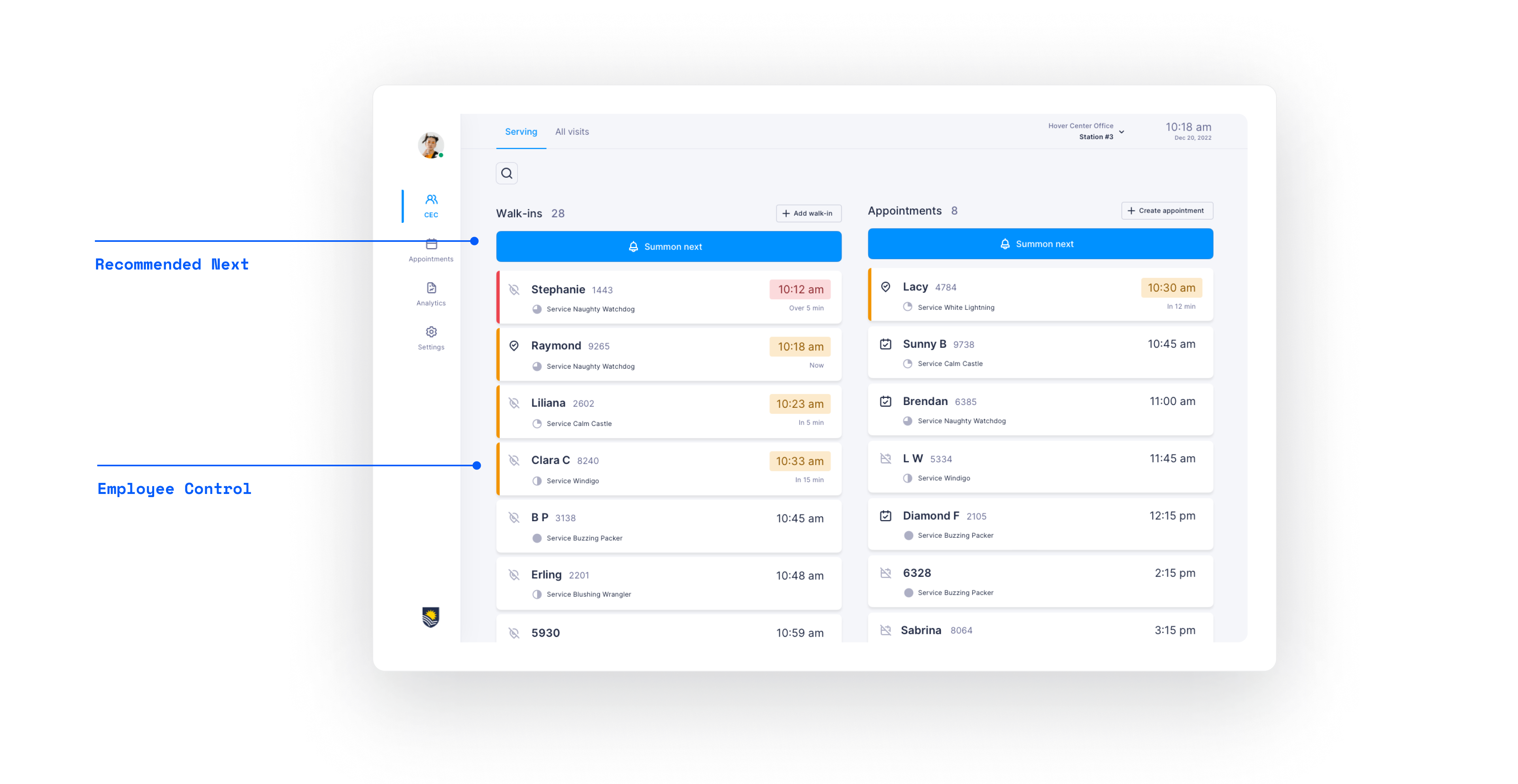
Automate the routine, preserve human control.
The Interface
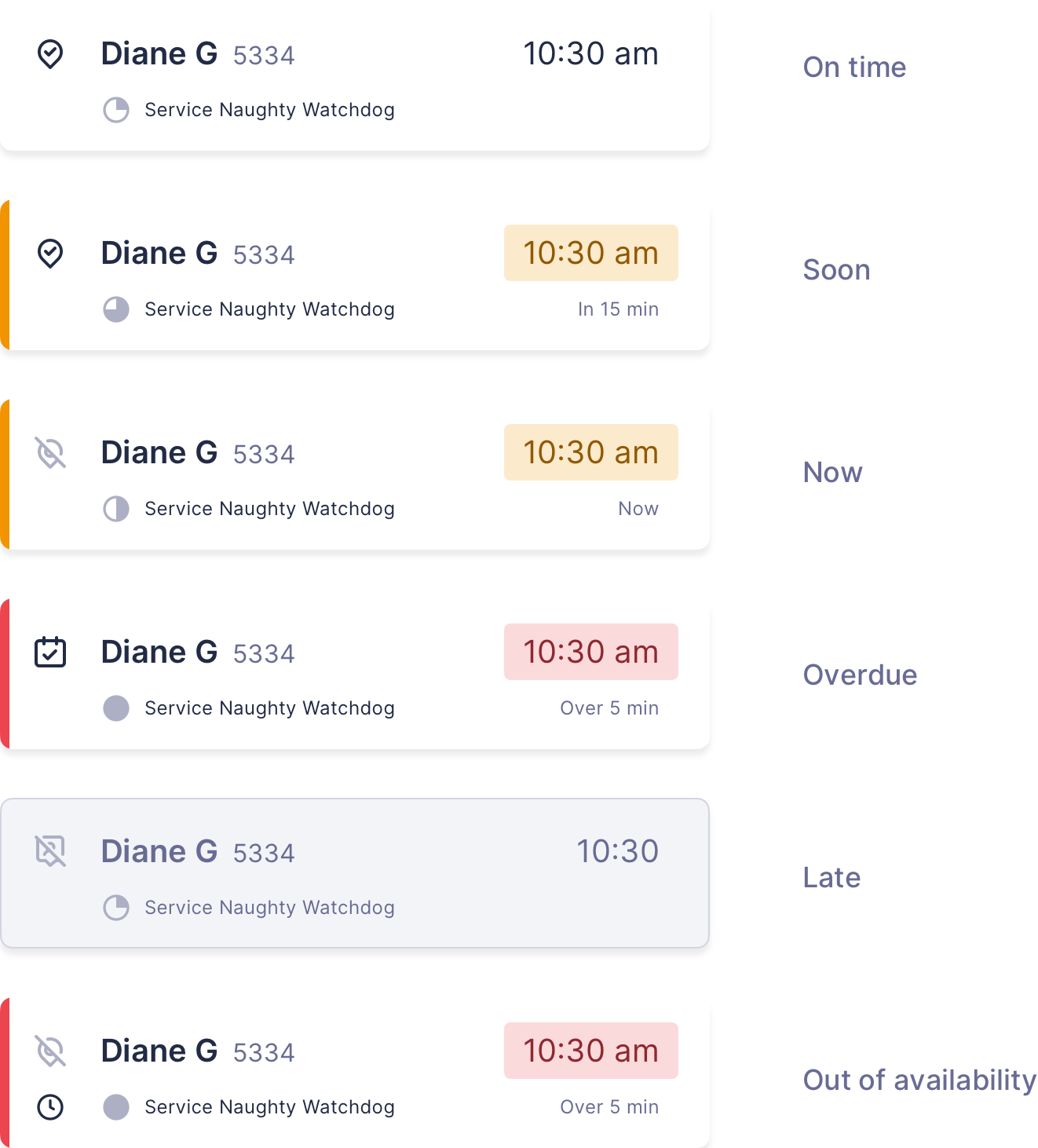
Urgency, status, and service details make priorities visible before opening a visit.
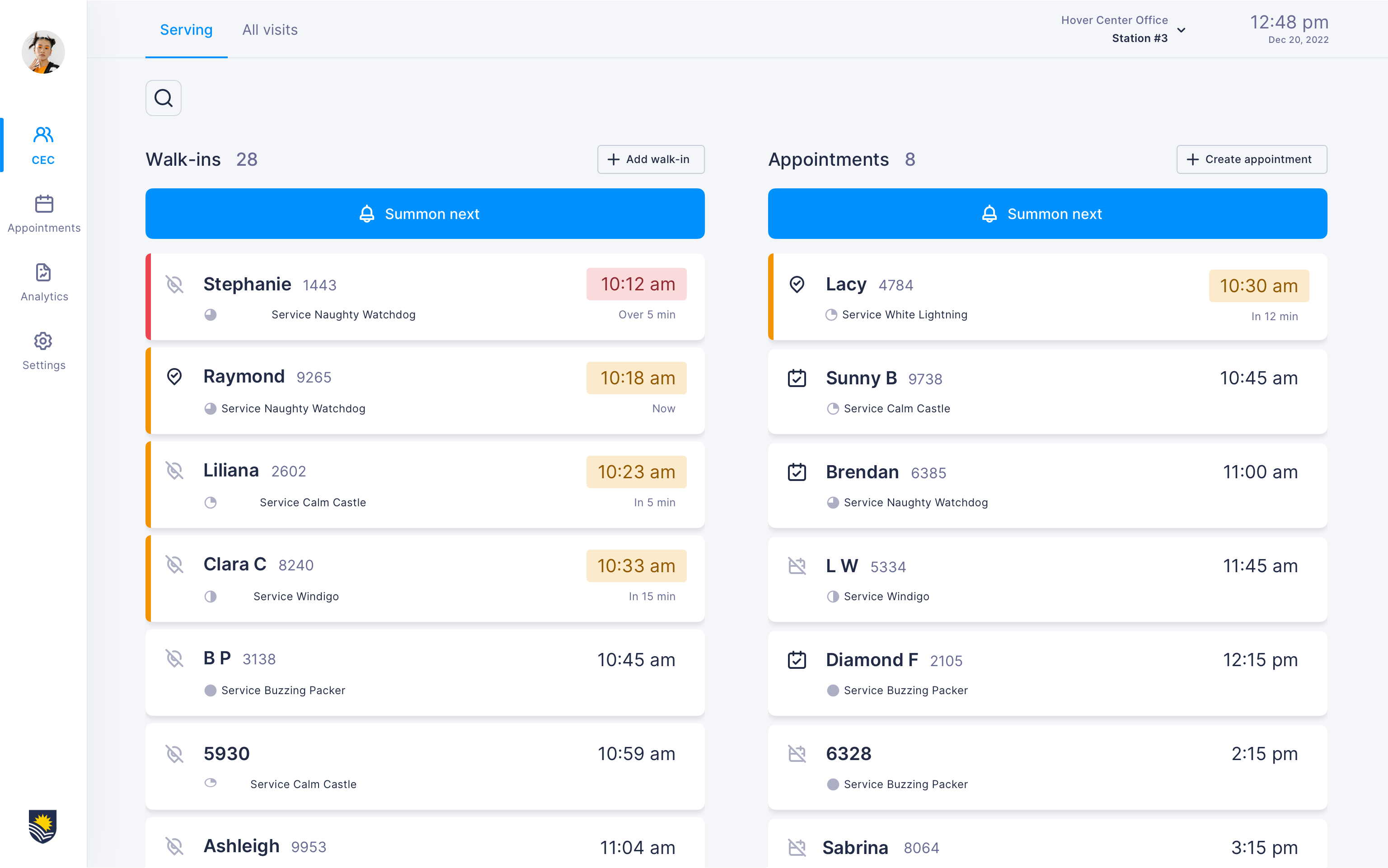
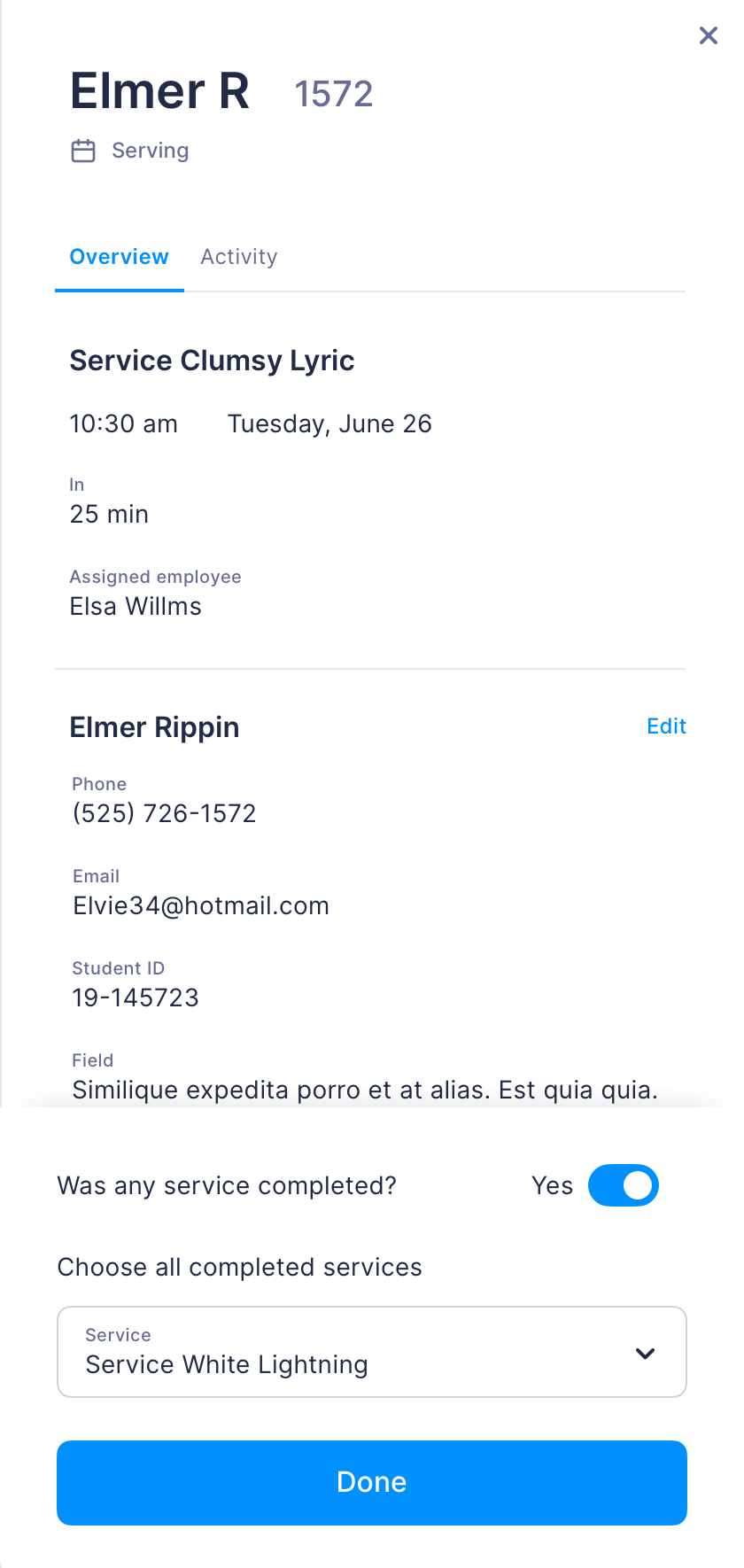
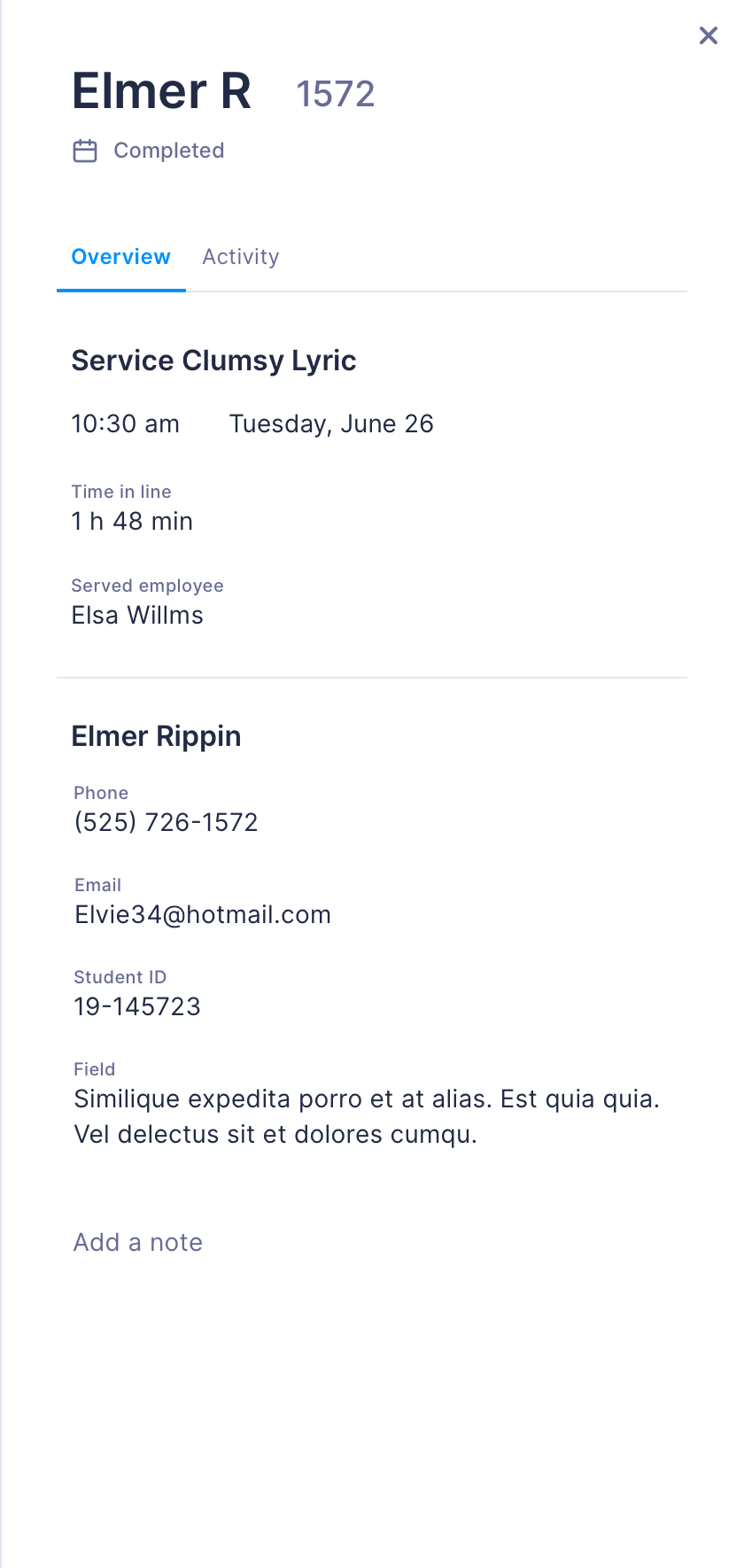
Essential visit details and actions stay beside the queues while the panel adapts from calling to serving, keeping the wider workload visible.
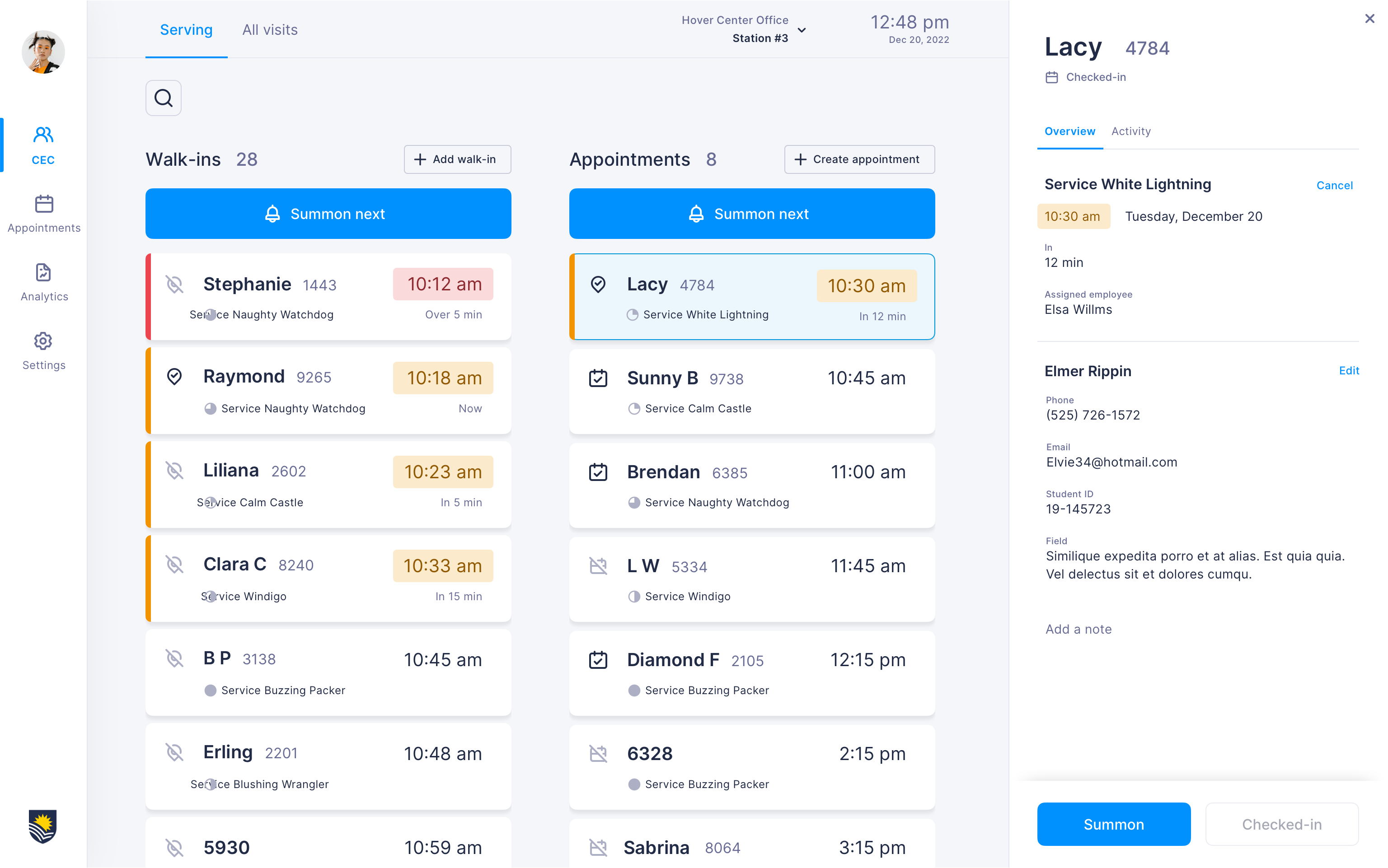
Summoning
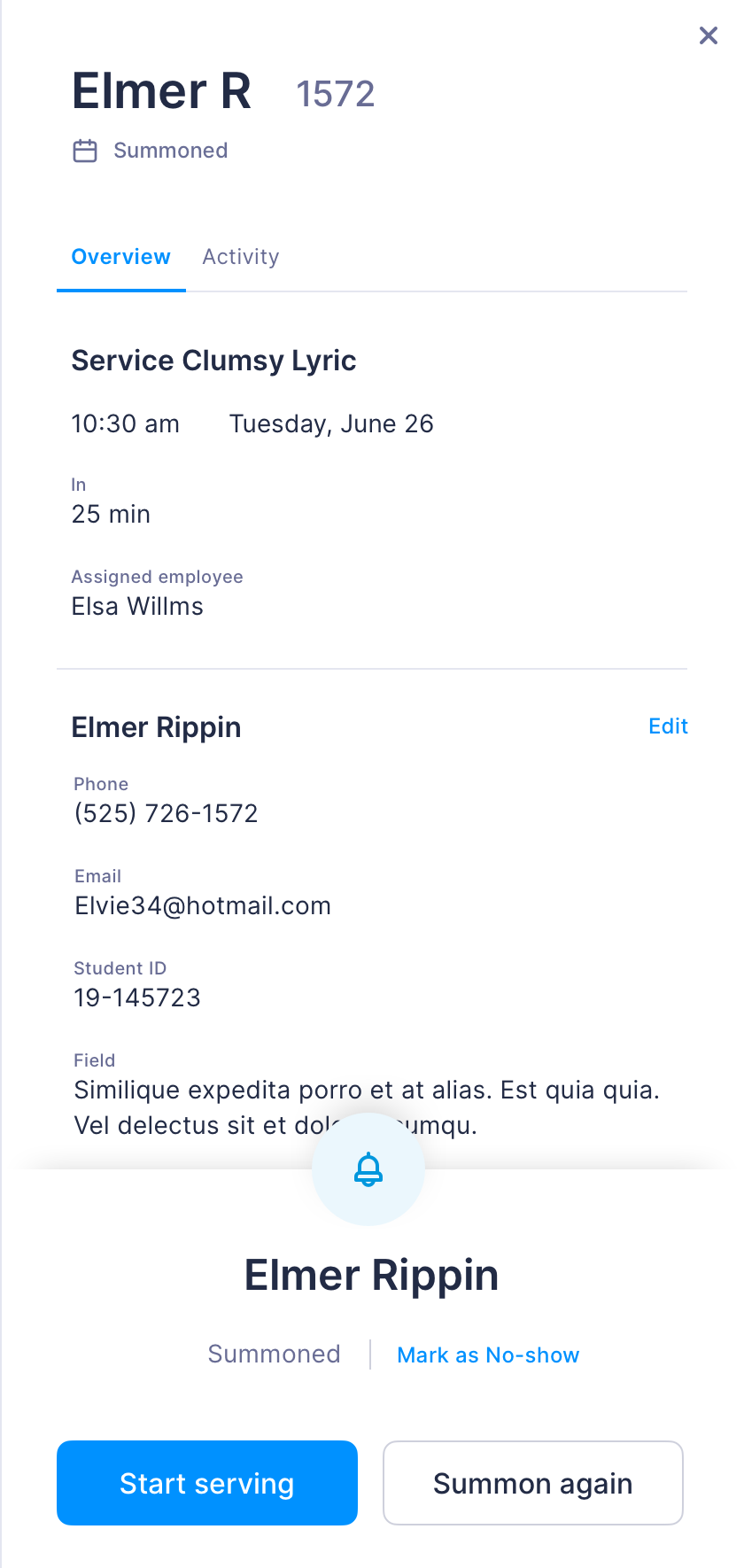
Serving
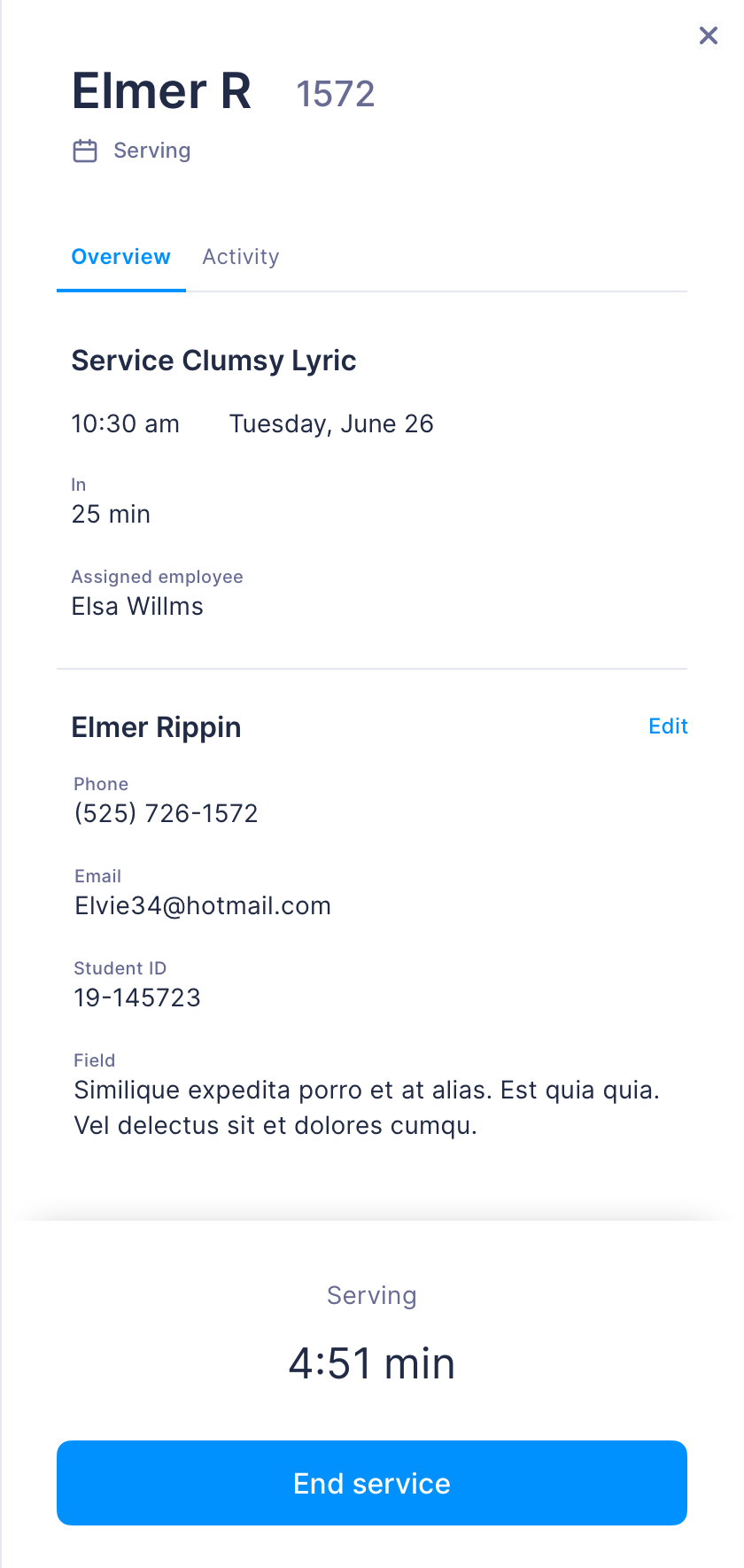
Ending service
Served
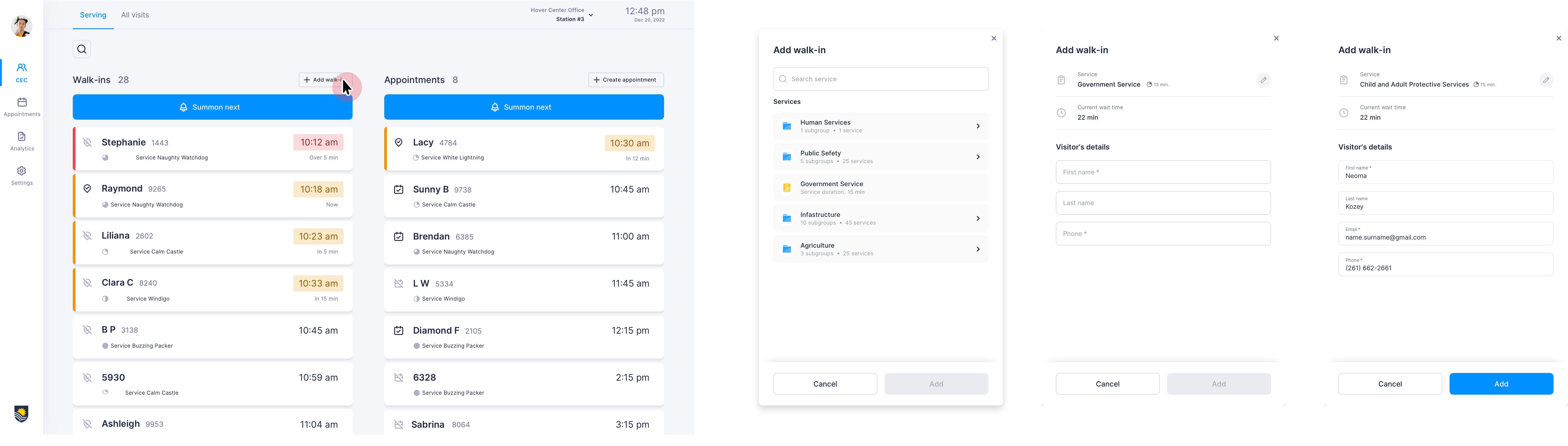
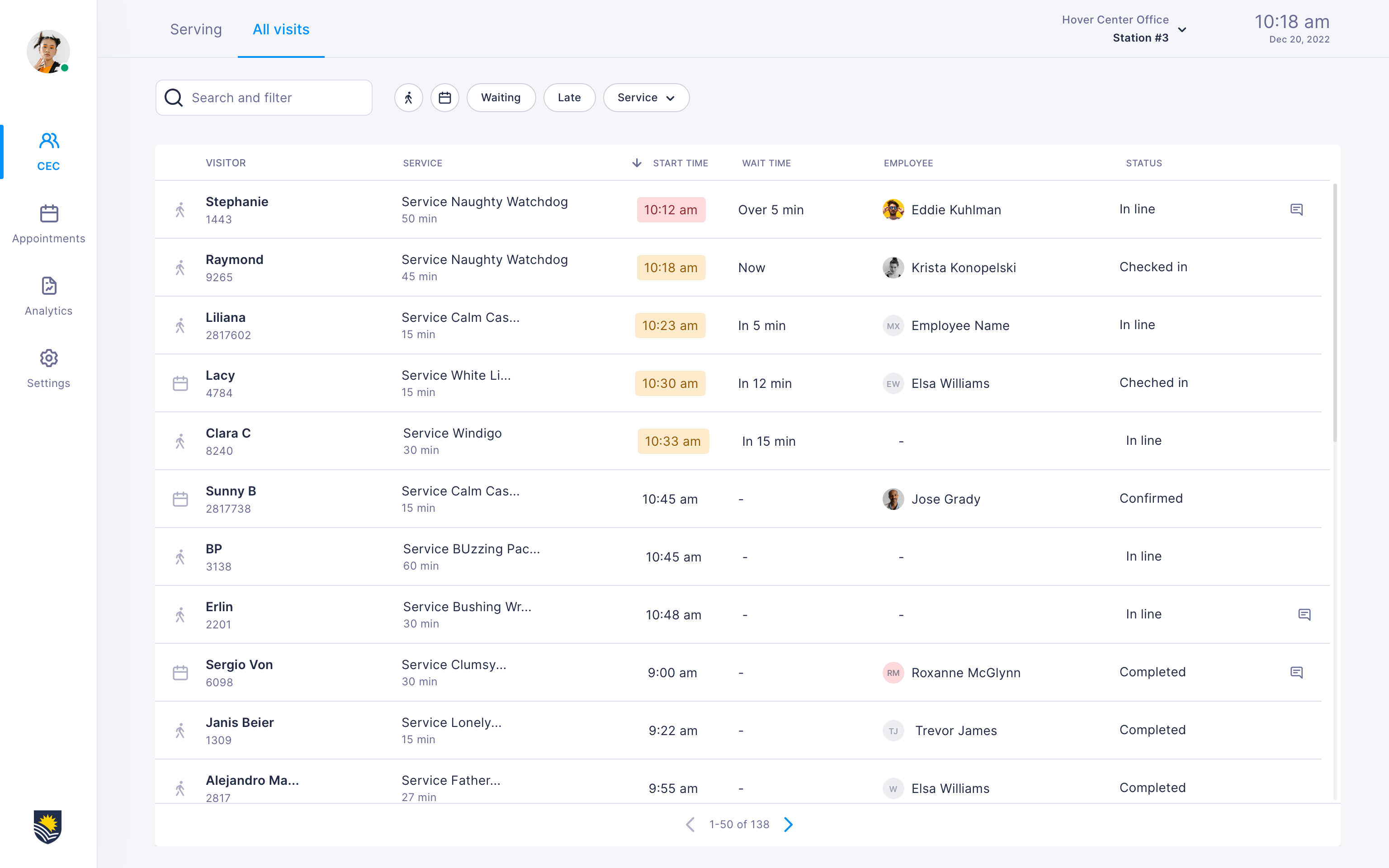
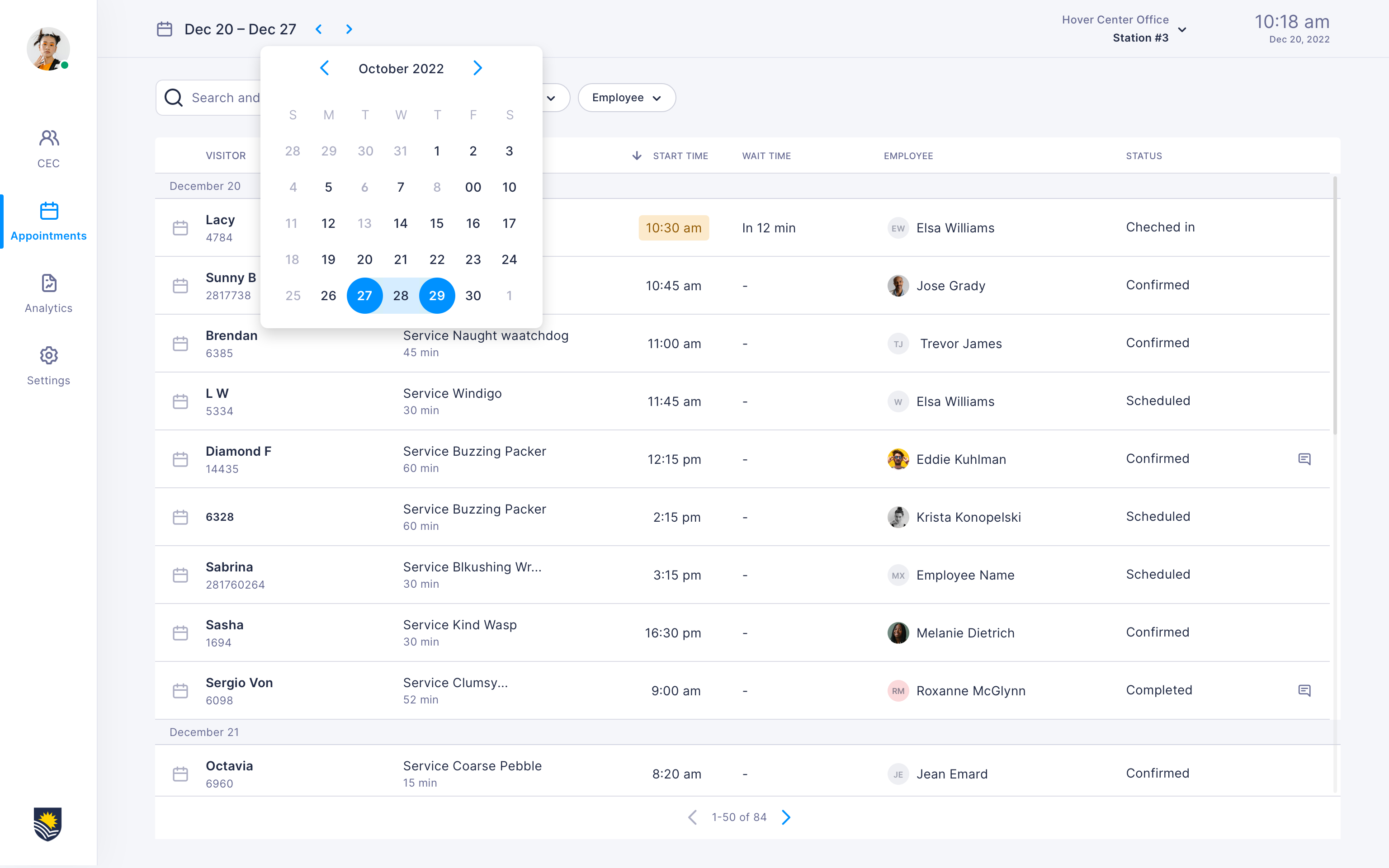
Edit details, add a visit manually, or switch to a broader view of visits and appointments.
Edit a visit or visitor
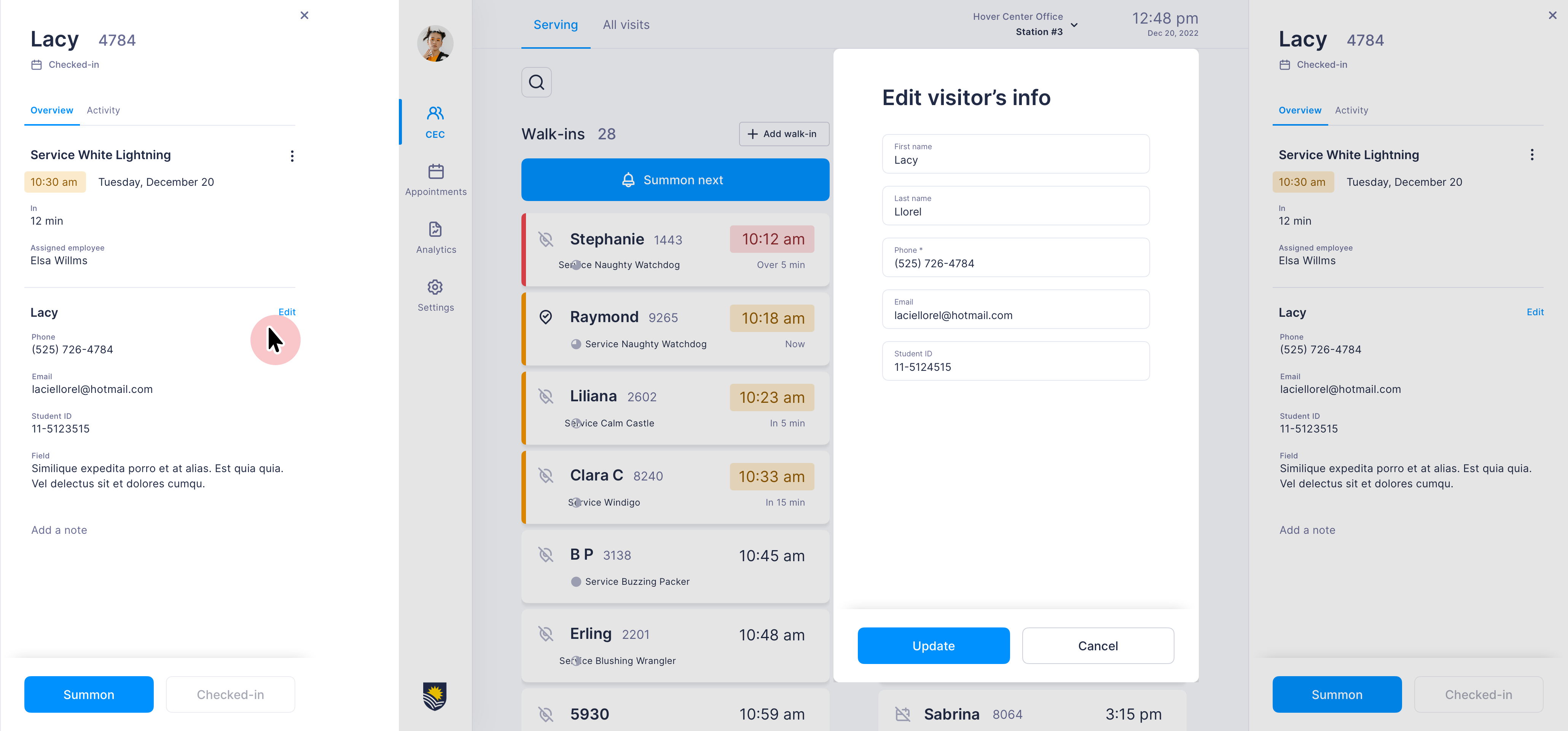
Add a visit manually
All visits
Appointments
The Impact
16%
Immediate migration. 98 of 617 organizations migrated to the MVP in its first week.
Employees can act on the recommendation without comparing queues each time.
Priority rules guide the recommendation, while employees can choose differently when context requires it.
People should spend their time helping visitors, not deciding who deserves help next.
Key Learnings
The real simplification came from redistributing responsibility: the product handled repetitive prioritization, while employees retained judgment for the cases that required context.
What I’d Do Differently
The legacy product had no comparable analytics, and by defining the new product measurement strategy only from the MVP forward, we missed the window for an immediate before-and-after comparison.
Watch how to call the next visitor, complete the service, and create an appointment, or try the prototype in a new tab
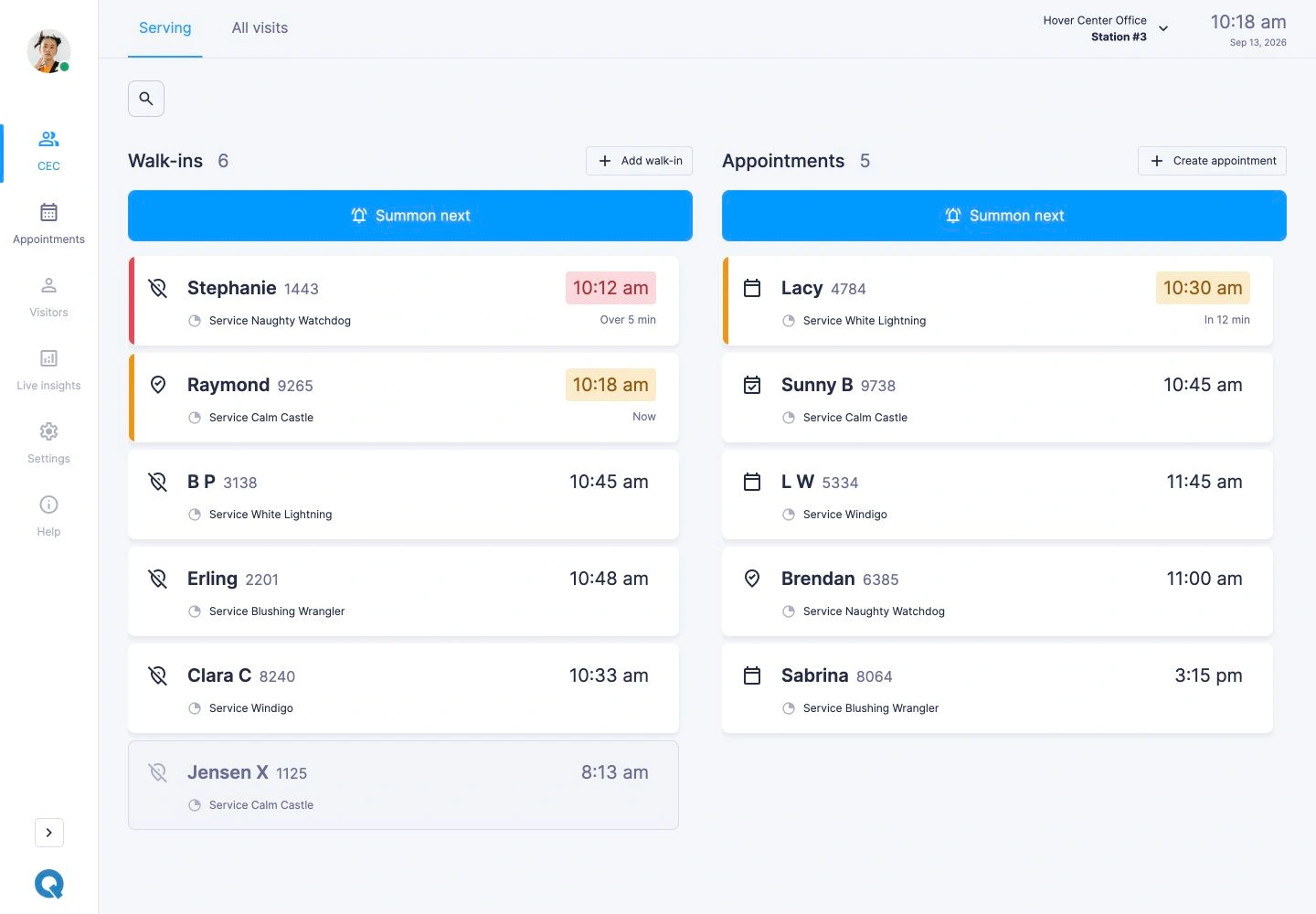
Watch how to call the next visitor, complete the service, and create an appointment, or